
Generic Medications vs. Brand-Name Drugs: What Families Should Understand

Key Takeaways
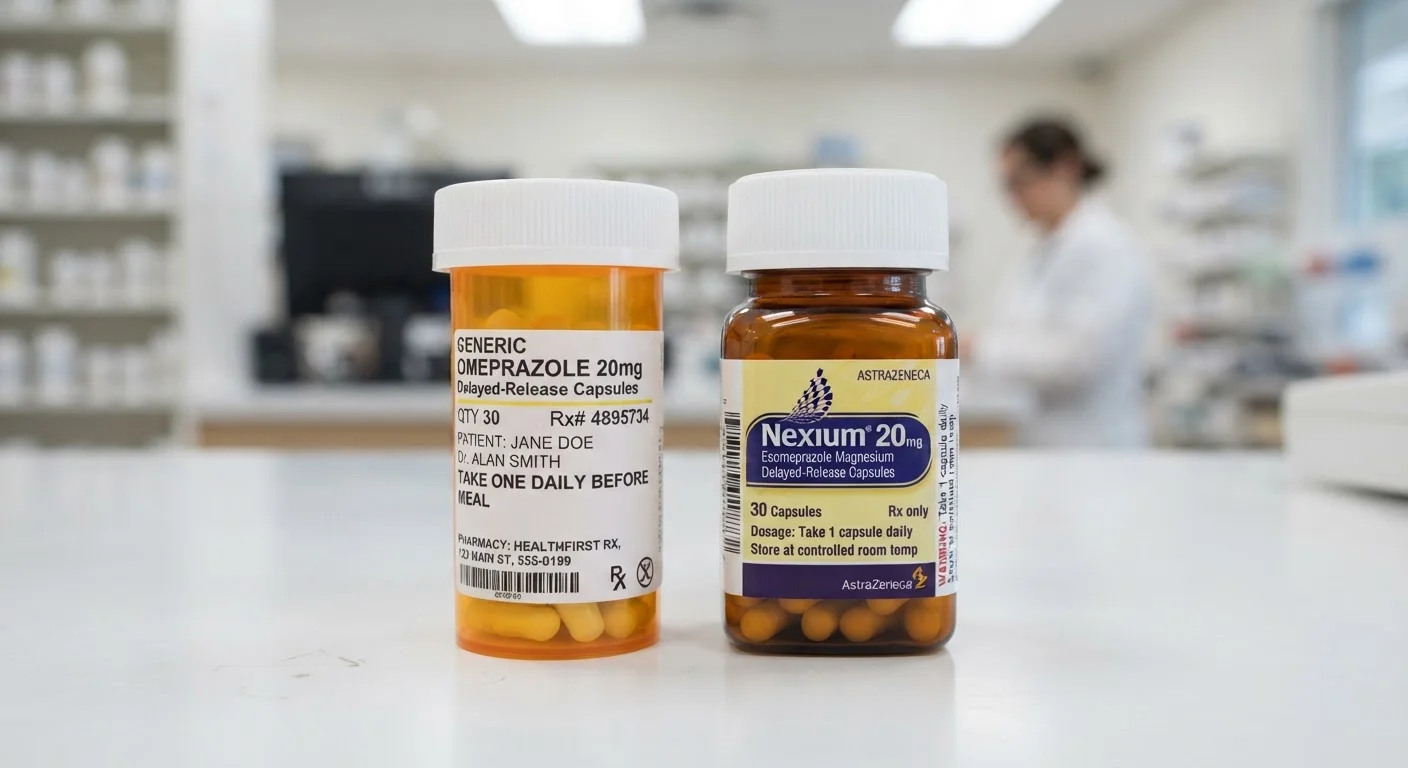
- The FDA requires generic drugs to have the same active ingredient, strength, and dosage form as their brand-name counterparts.
- Generic drugs are typically priced 80 to 85 percent lower than brand-name equivalents, according to the FDA.
- Inactive ingredients can differ between generic and brand formulations, which occasionally matters for people with specific allergies or sensitivities.
- Some narrow therapeutic index drugs, such as certain seizure or thyroid medications, may warrant extra attention when switching formulations.
- Talking with a pharmacist or physician before switching between formulations is always appropriate, especially for chronic conditions.
Option A
Generic Medications
The bioequivalent, lower-cost option.
Best for: Families managing ongoing prescriptions or looking to reduce out-of-pocket drug costs without changing therapeutic effect.
Option B
Brand-Name Drugs
The original, patent-protected formulation.
Best for: Situations where a specific inactive ingredient, extended-release mechanism, or manufacturer consistency matters clinically.
If you are managing a routine, stable condition on a long-term prescription
Generic Medications
For most common conditions, generics deliver the same therapeutic effect at a fraction of the cost, making them the practical choice for budget-conscious families.
If you take a medication with a narrow therapeutic index, such as levothyroxine or certain anti-seizure drugs
Brand-Name Drugs
Small differences in absorption between formulations can matter more for these drug classes. A prescribing physician can advise whether brand consistency is warranted.
If a family member has documented allergies to specific dyes or fillers
Brand-Name Drugs
Inactive ingredients vary by manufacturer. When a known sensitivity exists, confirming the inactive ingredient list with a pharmacist before switching is wise.
If cost is a barrier to filling a prescription consistently
Generic Medications
Skipping doses because of cost is a documented health risk. Generics make consistent adherence more financially realistic for most families.
How generic drugs are regulated
The U.S. Food and Drug Administration (FDA) approves generic drugs through the Abbreviated New Drug Application (ANDA) process. To receive approval, a generic must demonstrate bioequivalence: the active ingredient reaches the bloodstream at the same rate and extent as the brand-name version, within an accepted statistical range. The FDA also requires matching active ingredient, strength, dosage form (tablet, capsule, liquid), and route of administration.
What generics are not required to copy are inactive ingredients, sometimes called excipients. These include fillers, binders, colorants, and coatings. Most people are unaffected by these differences, but anyone with a documented allergy to a specific dye or filler should check the ingredient list with a pharmacist before switching.
Generic manufacturers must also meet the same federal standards for manufacturing quality, labeling accuracy, and stability as brand-name producers. The FDA inspects both types of facilities.
| Criterion | Generic Medications | Brand-Name Drugs |
|---|---|---|
| Active ingredient | Identical to brand-name | Original formulation |
| FDA approval standard | Bioequivalence required | Full clinical trial data |
| Inactive ingredients | May differ by manufacturer | Fixed formulation |
| Average cost (vs. brand) | 80-85% lower on average | Baseline price |
| Insurance tier placement | Typically Tier 1 (lowest copay) | Tier 2 or higher |
| Narrow therapeutic index drugs | Monitor if switching manufacturers | Consistent single formulation |
| Manufacturing standards | FDA-inspected facilities | FDA-inspected facilities |
Where cost differences come from
Brand-name drugs carry higher prices largely because the original manufacturer invested in clinical trials, patent protection, and FDA approval of the new molecular entity. That patent period, typically 20 years from filing, gives the company exclusive market rights. Once patents expire, other manufacturers can produce generics, and competition pushes prices down substantially.
According to the FDA, generic drugs cost 80 to 85 percent less than brand-name versions on average. For a family filling multiple monthly prescriptions, that gap adds up across a year. Insurance plans also commonly place generics in lower cost-sharing tiers, reducing copays further.
Community health centers and federally qualified health centers (FQHCs), which operate on a sliding-scale fee model, often connect patients with generic substitution programs and patient assistance resources. The Health Resources and Services Administration (HRSA) maintains a locator for FQHCs at findahealthcenter.hrsa.gov.
80-85%
Average cost reduction with generics
According to the FDA, generic drugs cost 80 to 85 percent less than brand-name equivalents on average.
90%
Share of U.S. prescriptions filled as generics
The FDA reports that roughly 90 percent of prescriptions dispensed in the United States are filled with generic drugs.
$338B+
Estimated savings from generics over 10 years
The Association for Accessible Medicines has estimated that generic and biosimilar drugs saved the U.S. healthcare system hundreds of billions of dollars over the past decade.
When the brand-name version may matter
For most medications, the clinical outcome of switching to a generic is equivalent. However, a defined category of drugs called narrow therapeutic index (NTI) medications deserves extra attention. These are drugs where a small difference in blood concentration can shift outcomes meaningfully, in either direction. Common examples include warfarin (a blood thinner), levothyroxine (a thyroid hormone), and some anti-seizure medications such as phenytoin.
The FDA and several professional medical associations have discussed NTI drugs in the context of generic substitution. The consensus is not that generics are unsafe for these conditions, but that consistent use of a single formulation (whether generic or brand) and regular monitoring are important. If a patient stabilizes on one manufacturer's version, switching to a different generic from another manufacturer could introduce minor variation worth monitoring.
Families managing these conditions should have a direct conversation with the prescribing physician or pharmacist before any formulation change. This article is for general informational purposes only and is not a substitute for personalized medical advice.
A note on narrow therapeutic index medications
NTI medications are a specific, defined group of drugs where small concentration changes can affect therapeutic outcomes. They are not representative of most prescription medications. If you or a family member takes a drug in this category, your prescriber or pharmacist can explain what monitoring or consistency measures are appropriate for your situation. Do not make changes to these medications without professional guidance.
Practical steps for families
When a new prescription is written, ask the pharmacist whether a generic equivalent is available and approved. Most states allow pharmacists to substitute a generic unless the prescriber writes "dispense as written" (DAW) on the prescription. Knowing this saves time at the counter.
If cost is a concern even with generics, HRSA-funded health centers, state pharmacy assistance programs, and manufacturer patient assistance programs (PAPs) may reduce costs further. Do not stop or reduce a medication dose to save money without first speaking with a provider; that conversation may open options the family was not aware of.
For children, elderly family members, or anyone with complex chronic conditions, the general guidance to consult a qualified healthcare professional before switching formulations applies with particular weight. Individual health factors matter more in those populations.
This article is for general informational purposes only and does not constitute medical advice. Always consult a licensed healthcare professional for questions about your medications or health conditions.