

Key Takeaways
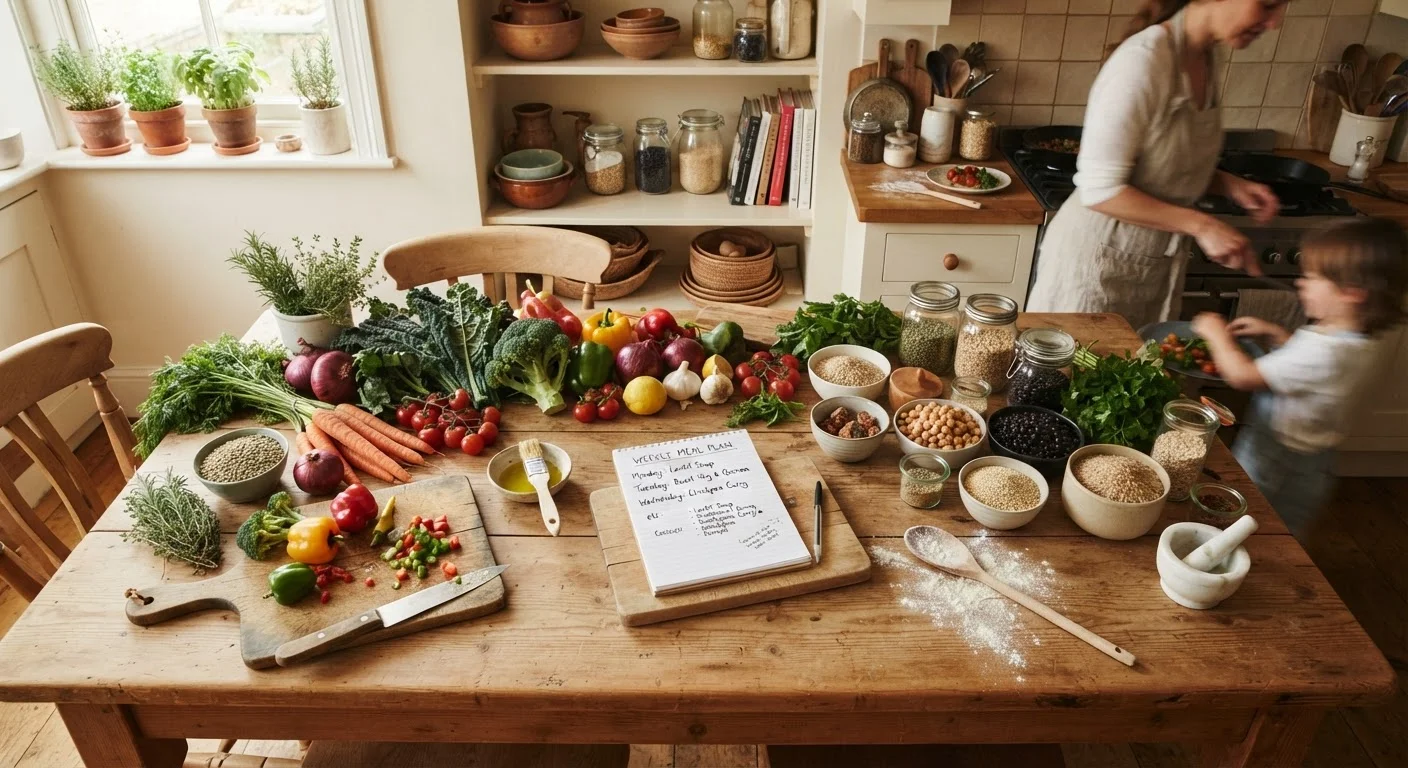
- Planning meals before shopping reduces impulse purchases and food waste significantly.
- Building each week around a few versatile base ingredients stretches your grocery dollar further.
- A pantry stocked with affordable staples gives you a reliable foundation every week.
- Repurposing leftovers into new meals can eliminate one to two grocery trips per month.
- Buying produce in season lowers costs without compromising nutrition or variety.
What you will need
Why weekly meal planning changes your grocery bill
Grocery spending is one of the largest variable costs in a household budget, and it is also one of the most controllable. Most families overspend not because they buy luxury items, but because they shop without a plan. The result is duplicate purchases, forgotten produce, and last-minute takeout that undoes any savings made earlier in the week.
A structured meal plan removes those pressure points. When you know on Sunday what you are eating on Thursday, you buy exactly what you need and nothing extra. Over a typical month, that discipline adds up. For more context on the specific habits that erode grocery budgets quietly, see common grocery missteps families make.
Meal planning also supports your family's health. When dinner is already decided, you are less likely to reach for processed convenience foods. That overlap between budget discipline and everyday wellness is worth taking seriously. Protecting your family's health on a limited budget covers the broader picture of keeping care costs manageable.
Start with just dinners if the full plan feels overwhelming
Planning all 21 meals at once can feel like a big lift if you are new to this habit. Start by planning only dinners for the week, then work in lunches once the dinner routine is stable. Breakfast planning often falls into place naturally once you see what pantry staples you consistently have on hand.
Build your budget meal plan: step by step
The process below takes roughly 30 to 60 minutes the first time. Once the habit forms, most families finish the weekly planning cycle in under 20 minutes.
What you will need
Set a firm grocery number before you plan anything
Write down the dollar amount you can spend on groceries this week. Do not skip this step. Planning meals without a number first leads to a list that looks reasonable but runs over budget at checkout.
A common starting point for families tracking food costs is to separate food from non-food household items in the grocery budget, since combining them makes it hard to know where money is actually going.
Check your pantry and freezer before writing any list
Open every cabinet and the freezer. Note what proteins, grains, canned goods, and sauces you already have. Families consistently find two to four meals worth of ingredients they had forgotten about. Building this week's plan around those items first means you spend less at the store.
Discard or move to the front anything approaching its use-by date. Those items become tonight's dinner, not next month's trash.
Choose two or three base ingredients and build around them
Pick affordable, versatile proteins and starches: dried or canned beans, chicken thighs, eggs, lentils, rice, or oats. Plan multiple meals that share these bases so nothing goes to waste and you buy in larger, cheaper quantities.
For example, a large batch of cooked chicken thighs can become tacos on Monday, a rice bowl on Wednesday, and a soup on Friday. That is three dinners from one purchase, with different flavor profiles keeping the meals distinct.
Match produce choices to what is in season
In-season produce costs less and tastes better than out-of-season alternatives shipped long distances. Check what is abundant at your local store or farmers market before finalizing the vegetable portions of your plan.
Frozen vegetables are a reliable fallback. They are picked at peak ripeness and frozen immediately, which preserves nutrients well. Buying frozen means you also avoid the spoilage that makes fresh produce expensive in practice. If you want to grow some of your own, a seasonal garden planning calendar for budget-minded families maps out exactly when to plant and harvest through the year.
Write the full week's meals before writing the shopping list
Map out breakfast, lunch, and dinner for all seven days. Include planned leftovers explicitly: if Tuesday's chili feeds six and your family is four, write Wednesday's lunch as leftover chili. This makes the plan realistic rather than aspirational.
Once the full week is mapped, generate your shopping list from that plan, grouped by store section (produce, dairy, pantry, frozen). A categorized list reduces backtracking in the store, which reduces the chance of picking up unplanned items.
Shop with the list and a time limit
Bring only your categorized list and stick to it. If your store offers a pickup or delivery option and the fee is lower than your typical impulse-spend, that option may save money overall even though it has a direct cost.
Give yourself a set amount of time in the store. Longer trips correlate with higher unplanned spending. Get in, follow the list by section, and leave.
Meal planning fits naturally inside a broader household budget. If you do not yet have a monthly spending framework, a family budget framework that holds up month to month is a practical starting point. And if you want to grow even a small portion of your own produce to cut costs further, starting a family garden without spending a fortune walks through low-cost approaches that work even for beginners.